
The Thrill of Risk and Reward
The inherent allure of casino games stems from their fundamental structure of risk and reward. When players engage with games like slots, poker, or blackjack, they enter a dynamic environment where the stakes are high, and the potential for significant rewards beckons. This dance with chance triggers an adrenaline rush, often likened to a rollercoaster ride of emotions, where the prospect of winning can overshadow the reality of losing. For those looking to explore safe gambling sites in Australia, understanding these dynamics is essential.
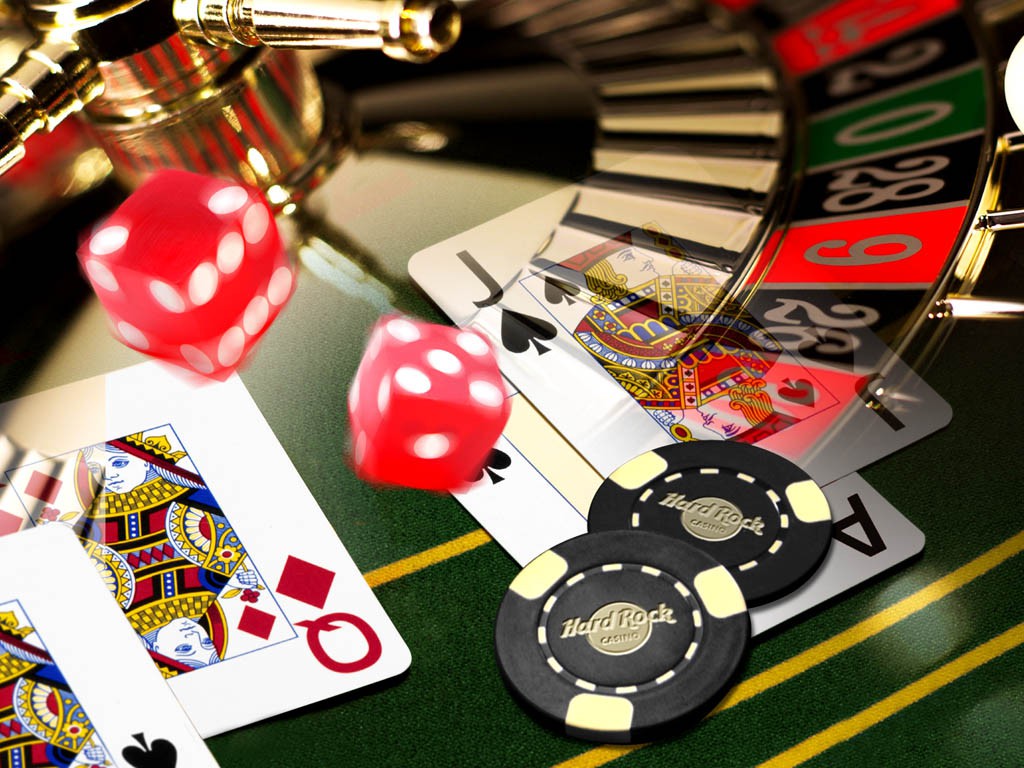
This thrill is not just a fleeting sensation; it taps into deep psychological principles. The concept of variable reward schedules—a principle seen in many gambling scenarios—suggests that uncertain outcomes can lead to heightened excitement. Casinos expertly exploit this phenomenon, designing games that keep players on the edge of their seats, pushing them to play longer in hopes of that next big win.
The Role of Cognitive Biases
Cognitive biases play a significant role in how players perceive their chances and outcomes in casino games. The gambler’s fallacy, for example, leads individuals to believe that past results influence future events. This can manifest as a player thinking that a losing streak means a win is “due,” creating a false sense of control. Such cognitive distortions fuel continued participation, as players chase losses or anticipate an impending victory.
Moreover, the illusion of control is another key psychological factor. Many players believe they can influence the outcome of games like blackjack through strategy or skill. This belief often bolsters their determination and prolongs their gaming sessions, even if the reality is that outcomes are largely dictated by chance. The interplay between skill perception and luck significantly influences player behavior at the tables.
Emotional Investment and Community
Casino games also leverage emotional investment, drawing players into a web of social interaction and community. Many gamblers find camaraderie in sharing their experiences, celebrating wins, or commiserating over losses with fellow players. This social aspect can enhance the gaming experience, making it more enjoyable and encouraging players to return. The shared excitement and collective energy can amplify the thrill of the game, transforming a solitary activity into a social event.
Furthermore, the environment within casinos is meticulously designed to evoke excitement and happiness. Bright lights, engaging sounds, and the buzz of fellow patrons create an atmosphere that keeps players entertained and engaged. This immersive experience taps into the emotional side of gambling, making players feel more connected to their gaming endeavors, which in turn can lead to increased playtime and spending.
Addiction and the Psychology of Gambling
Understanding the psychology of gambling also involves acknowledging the darker side: addiction. The thrill of winning and the fear of missing out can lead to compulsive gambling behaviors. For some individuals, the cycle of chasing losses becomes a powerful motivator that overcomes rational thought, leading to detrimental consequences in their personal and financial lives.
Behavioral addiction, much like other forms of substance dependence, relies on the brain’s reward systems. The release of dopamine when players win creates a feeling of euphoria, which reinforces the behavior. Over time, this can lead individuals to prioritize gambling over other responsibilities and relationships, prompting the need for intervention and support. Awareness and understanding of these psychological factors are crucial for addressing and mitigating gambling addiction.

Conclusion: A Resource for Understanding Gambling Psychology
This exploration of the psychology behind casino games reveals the complex motivations that drive people to play. From the thrill of winning to the influence of cognitive biases and emotional connections, understanding these dynamics is key to navigating the gambling landscape responsibly. The interplay of psychological factors highlights the importance of awareness in gambling, particularly regarding addiction and responsible gaming practices.
As access to further resources may currently be restricted, it is important for individuals to seek out valuable information about gambling psychology and strategies for responsible play. This ongoing conversation can help encourage healthier approaches to gaming, fostering a more balanced relationship with chance and risk.